Plumbing Resilience: Preventing Catastrophic Water Damage in Multi-Tenant Facilities
Water damage is the most common and costly insurance claim in commercial buildings. Learn how to build plumbing resilience with leak detection, automated shut-off systems, winterization protocols, and rapid-response planning.
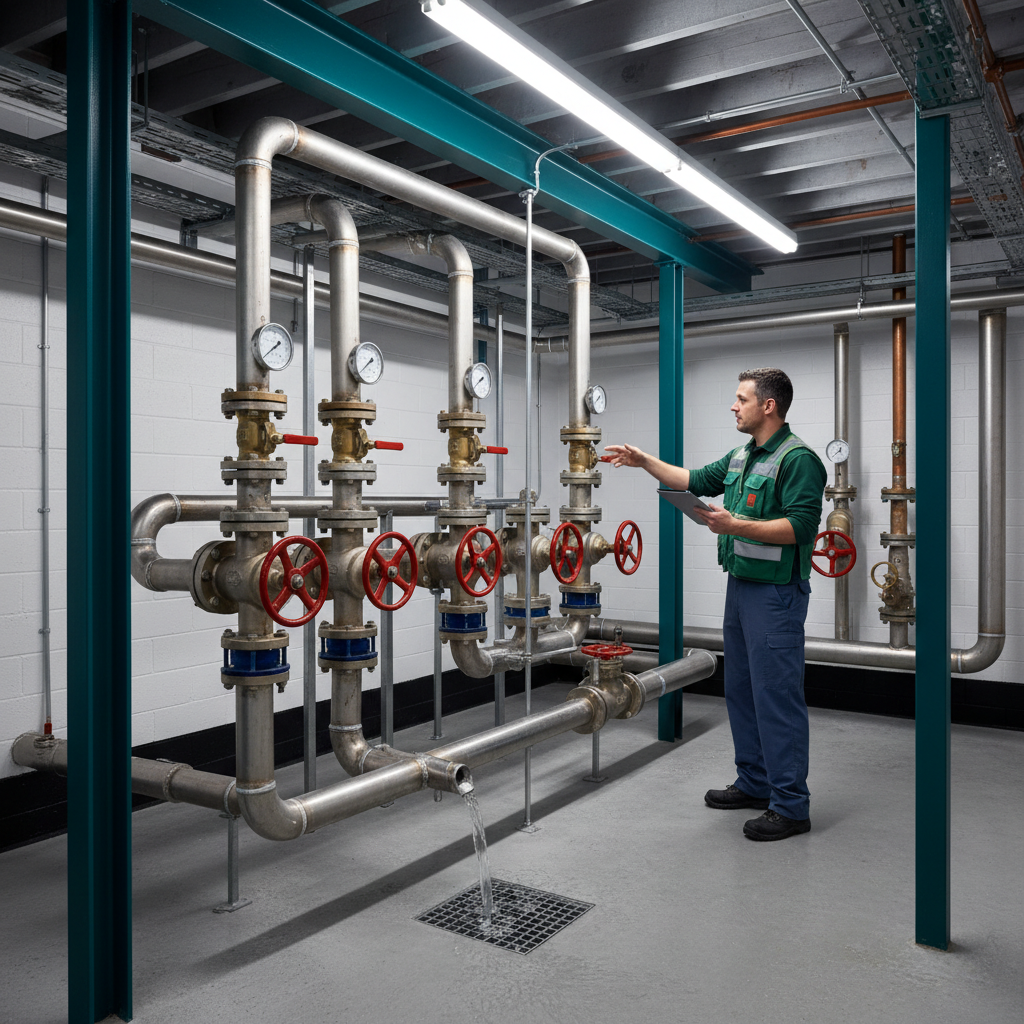
The True Cost of Commercial Water Damage
Water damage is the single most frequent insurance claim filed by commercial property owners, accounting for nearly 40% of all commercial property claims. The average cost per incident exceeds $20,000, and catastrophic failures — a burst pipe on an upper floor, a failed water heater, a ruptured supply line — can cause hundreds of thousands of dollars in damage in a matter of hours.
Beyond direct repair costs, water damage triggers cascading losses: business interruption, tenant displacement, mold remediation, increased insurance premiums, and potential liability claims. For multi-tenant facilities, a single plumbing failure can impact multiple tenants simultaneously, multiplying the disruption.
Building plumbing resilience is about moving from reactive response to proactive prevention. This guide covers the systems, protocols, and planning needed to protect your facility.
Top Causes of Commercial Water Damage
- Burst pipes: Freezing temperatures cause water to expand inside pipes, leading to ruptures — especially in exterior walls, unheated spaces, and older plumbing systems.
- Appliance and fixture failures: Water heaters, washing machines, ice makers, and supply line hoses have finite lifespans and fail without warning.
- Roof leaks and envelope failures: Water entering through the building envelope can travel significant distances before becoming visible, causing hidden structural damage and mold.
- Sewer backups: Heavy rainfall or root intrusion can cause sewage to back up through floor drains, contaminating occupied spaces.
- Condensate line clogs: HVAC condensate drain lines clog with algae and debris, causing water to overflow into ceilings and walls.
- Fire suppression system failures: Sprinkler head damage, frozen fire sprinkler piping, or accidental activation can release hundreds of gallons per minute.
Building Block 1: Leak Detection Systems
Modern leak detection is the first line of defense. Three tiers of protection can be deployed based on building size and risk profile:
Tier 1 — Spot Sensors
Small, battery-powered sensors placed under sinks, near water heaters, washing machines, ice makers, and in mechanical rooms. When water contacts the sensor, it triggers a local alarm (and optionally sends a smartphone alert). Cost-effective for targeted protection of high-risk points.
Tier 2 — Smart Water Shut-Off Valves
These systems integrate with the main water supply line. When a leak is detected (by a flow sensor or a spot sensor), the system automatically shuts off the main water supply. Smart valves can learn your building's normal water usage patterns and detect continuous flow anomalies (e.g., a running toilet or a slow pipe leak) even without a sensor getting wet. Many models integrate with building management systems and send real-time alerts to facility staff.
Tier 3 — Whole-Building Flow Monitoring
For large or multi-tenant facilities, sub-metering and flow monitoring at the floor or zone level provides granular visibility into water consumption. Anomalies — such as nighttime flow in an unoccupied floor — can indicate a hidden leak before it becomes visible. This tier offers the best protection but requires professional design and installation.
Building Block 2: Winterization Protocols
Frozen pipes are a leading cause of catastrophic water damage in cold-climate regions. A robust winterization protocol should include:
- Identify vulnerable piping: Map all plumbing in exterior walls, unheated crawl spaces, attics, and perimeter zones. These are your highest-risk assets.
- Insulate exposed pipes: Use foam pipe insulation or heat tape on vulnerable piping. Pay special attention to pipes in exterior walls that cannot be easily relocated.
- Maintain minimum temperatures: Set unoccupied or low-traffic areas to a minimum of 55°F during winter months. Use monitored space heaters in mechanical rooms if needed.
- Implement freeze alarms: Install temperature sensors that alert staff if interior temperatures drop below 40°F in critical areas.
- Seal envelope penetrations: Caulk and weatherstrip around pipe penetrations in exterior walls to prevent cold air infiltration.
- Drain seasonal systems: Shut off and drain irrigation systems, cooling tower make-up lines, and exterior hose bibs before the first freeze.
Building Block 3: Preventive Maintenance
Regular maintenance dramatically reduces the likelihood of plumbing failures:
- Annual water heater inspection: Flush the tank to remove sediment, inspect the anode rod, and test the temperature/pressure relief valve. Replace water heaters proactively at the end of their rated lifespan (typically 10–12 years for tank units).
- Supply line replacement: Replace bra stainless steel supply lines every 5–7 years. Rubber hoses (washing machines, ice makers) should be replaced every 3–5 years — never wait for failure.
- HVAC condensate line cleaning: Clear condensate drain lines quarterly using a wet/vac or specialized cleaning solution to prevent clogs and overflows.
- Backflow preventer testing: Annual certification is required by code in most jurisdictions and prevents contamination of the domestic water supply.
- Sewer line inspection: For older buildings, schedule a camera inspection of main sewer lines every 3–5 years to detect root intrusion, cracks, or blockages before they cause a backup.
Building Block 4: Rapid-Response Planning
Even with the best prevention, plumbing emergencies can occur. A documented rapid-response plan minimizes damage when minutes matter:
- Map and label all shut-off valves: Every shut-off valve in the building should be mapped, labeled, and accessible. Ensure all facility staff know the location of the main water shut-off and how to operate it.
- Maintain a 24/7 emergency contact list: Keep contact information for a licensed emergency plumber, water damage restoration company, and your insurance broker accessible at all times — both digitally and physically in the mechanical room.
- Stock emergency supplies: Keep wet/dry vacuums, absorbent socks, tarps, and fans on-site for immediate response to minor incidents.
- Establish tenant communication protocols: In multi-tenant buildings, have a plan to notify affected tenants, coordinate access, and manage temporary water shut-offs with minimal disruption.
- Document everything: In the event of water damage, photograph all affected areas immediately for insurance documentation. Keep a log of all response actions, times, and communications.
Pro Tip: Find Qualified Plumbing Contractors
Preventive maintenance, leak detection system installation, and emergency response all require licensed commercial plumbing contractors. Search our directory for verified commercial plumbing professionals in your area, or browse more facility management guides for additional maintenance best practices.
Maintenance Checklist
Track and complete each task. Download a printable copy for your facility maintenance records.
Monthly Tasks
Quarterly Tasks
Annual Tasks
Plumbing Providers
Verified companies specializing in plumbing services
Frequently Asked Questions
Common questions from facility managers and building owners.
Find Plumbing contractors in Your State
Browse our directory of verified plumbing contractors across all 50 states. Each state page includes provider listings, typical maintenance costs, industry insights, and a hiring checklist.