Commercial Drain Cleaning: A Facility Manager's Guide to Keeping Pipes Flowing
From preventive maintenance to emergency blockage response, learn everything facility managers need to know about commercial drain cleaning and how to hire the right plumbing professionals.
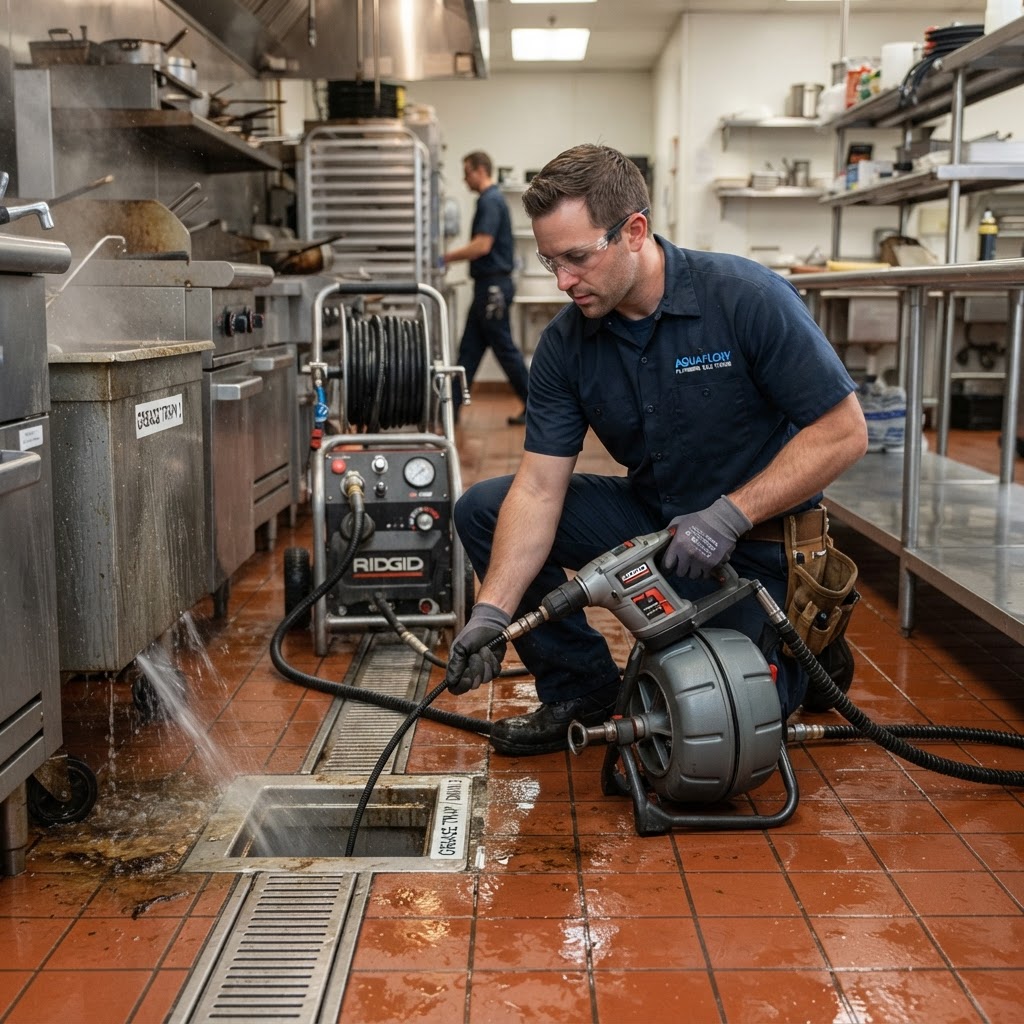
Why Commercial Drain Cleaning Is Critical
In a commercial facility — whether it's a restaurant kitchen, a medical office, an apartment complex, or a manufacturing plant — a blocked drain is more than an inconvenience. It can halt operations, create unsanitary conditions, violate health codes, and cause expensive water damage. Commercial plumbing systems handle far greater volumes and more complex waste streams than residential systems, making professional drain cleaning an essential part of any facility maintenance program.
This guide walks you through the fundamentals of commercial drain cleaning, common problems, preventive strategies, and how to find qualified plumbing and drain cleaning professionals for your facility.
Common Causes of Commercial Drain Clogs
Understanding what causes blockages helps you prevent them:
- Grease and fat buildup — The #1 culprit in commercial kitchens. Grease solidifies inside pipes, gradually narrowing the passage until a clog forms.
- Food waste — Particles that slip past grease traps can accumulate in drain lines.
- Mineral deposits — Hard water causes calcium and magnesium scale buildup that restricts flow, particularly in older buildings.
- Foreign objects — Paper towels, feminine hygiene products, wipes (even "flushable" ones), and other debris that shouldn't be in drains.
- Tree root intrusion — Roots seeking moisture can penetrate underground sewer lines, causing severe blockages.
- Structural issues — Pipe bellies (sagging sections), collapsed pipes, or misaligned joints trap debris and cause recurring clogs.
- Soap and detergent residue — In commercial laundry facilities, soap scum can harden inside drain lines.
Signs Your Commercial Drains Need Attention
Don't wait for a complete blockage. Watch for these warning signs:
- Slow drainage in sinks, floor drains, or toilets.
- Gurgling sounds from drains or toilets.
- Foul odors emanating from drains.
- Multiple clogged fixtures — a sign of a main line issue rather than a single drain.
- Water backup in floor drains or toilets, especially when other fixtures are used.
- Frequent need for plunging or chemical drain cleaners.
Commercial Drain Cleaning Methods
Professional plumbers use several techniques depending on the clog type, pipe size, and location:
1. Drain Snaking (Augering)
A flexible metal cable with a cutting head is fed into the drain to break through or retrieve blockages. Snaking is effective for localized clogs and is the go-to method for routine blockages. Motorized commercial-grade augers can handle larger pipes and tougher clogs than residential units.
2. Hydro Jetting
High-pressure water jetting (up to 4,000 psi) scours the interior of pipes, removing grease, scale, sludge, and even tree roots. Hydro jetting is ideal for preventive maintenance and for pipes with heavy buildup. It restores pipes to near-original interior condition, significantly improving flow. Because it uses only water (no chemicals), it's environmentally safe — but it should only be performed by professionals, as improper pressure can damage older or fragile pipes.
3. Video Pipe Inspection
Before cleaning, many commercial plumbers insert a waterproof camera into the drain line to visually inspect the interior. This identifies the exact location and nature of the problem — whether it's a grease blockage, root intrusion, cracked pipe, or belly — so the right solution is applied. Post-cleaning inspections confirm the issue is resolved.
4. Enzyme and Biological Treatments
For ongoing maintenance, especially in commercial kitchens, enzyme-based treatments can be introduced into drain lines to break down organic waste. These are environmentally friendly and help prevent grease buildup between professional cleanings.
Preventive Maintenance: The Best Strategy
Reactive drain cleaning is expensive and disruptive. A preventive maintenance program keeps drains flowing and extends the life of your plumbing system:
- Scheduled hydro jetting of grease-prone lines (kitchen drains) on a quarterly or bi-annual basis.
- Regular grease trap pumping — a full grease trap sends grease downstream into your pipes.
- Enzyme treatments for organic waste breakdown between professional visits.
- Staff training — educate employees on what should and shouldn't go down drains.
- Strainer installation on floor drains and prep sinks to catch solids.
- Annual video inspections of main lines to catch developing issues before they become emergencies.
Grease Traps and Commercial Kitchens
Commercial kitchens are subject to specific grease management regulations. A properly sized and maintained grease trap intercepts fats, oils, and grease (FOG) before they enter the sanitary sewer. Key points:
- Pump grease traps on a regular schedule — typically every 1–3 months depending on volume.
- Never use chemical drain cleaners to dissolve grease in a grease trap; they disrupt the biological process and can violate discharge permits.
- Document all grease trap maintenance for health inspector compliance.
Choosing a Commercial Drain Cleaning Contractor
When hiring a drain cleaning professional for your facility, consider:
- Commercial plumbing experience — Commercial systems differ significantly from residential. Ask for references from similar facilities.
- Equipment capabilities — Ensure they have commercial-grade jetters, video inspection cameras, and large-diameter augers.
- Emergency availability — Drain emergencies don't follow business hours. Look for 24/7 service.
- Licensing and insurance — Verify plumber's licenses and liability coverage.
- Service contracts — Many providers offer preventive maintenance agreements that reduce the risk of costly emergencies.
- Environmental compliance — Especially important for facilities with FOG discharge requirements.
Find vetted plumbing and drain cleaning contractors in our directory, or browse all facility service providers by category and location.
The Cost of Neglect
Ignoring slow drains or skipping preventive maintenance leads to consequences that far exceed the cost of routine cleaning:
- Business interruption — A blocked drain can force a restaurant or healthcare facility to close temporarily.
- Health code violations — Standing water and sewage backup can result in fines or closure orders.
- Water damage — Backup from a clogged main line can flood floors, damage inventory, and create mold risk.
- Pipe replacement — Neglected pipes may corrode or collapse, requiring expensive excavation and replacement.
Key Takeaways
- Grease, food waste, and mineral buildup are the leading causes of commercial drain clogs.
- Professional methods — snaking, hydro jetting, and video inspection — are far more effective than chemical cleaners.
- A preventive maintenance program saves money and prevents disruptive emergencies.
- Choose a commercial-experienced, licensed plumber with emergency availability and proper equipment.
Need a reliable drain cleaning partner? Find commercial plumbing and drain cleaning professionals in your area, or list your drain cleaning business to connect with facility managers looking for your services.
Maintenance Checklist
Track and complete each task. Download a printable copy for your facility maintenance records.
Monthly Tasks
Quarterly Tasks
Annual Tasks
Plumbing Providers
Verified companies specializing in plumbing services
Frequently Asked Questions
Common questions from facility managers and building owners.
Find Plumbing contractors in Your State
Browse our directory of verified plumbing contractors across all 50 states. Each state page includes provider listings, typical maintenance costs, industry insights, and a hiring checklist.