Commercial Preventative Maintenance Guide: Building a Complete PM Program
A step-by-step guide for facility managers on building a complete commercial preventative maintenance program — covering all major building systems, scheduling strategies, vendor management, and cost-saving benchmarks.
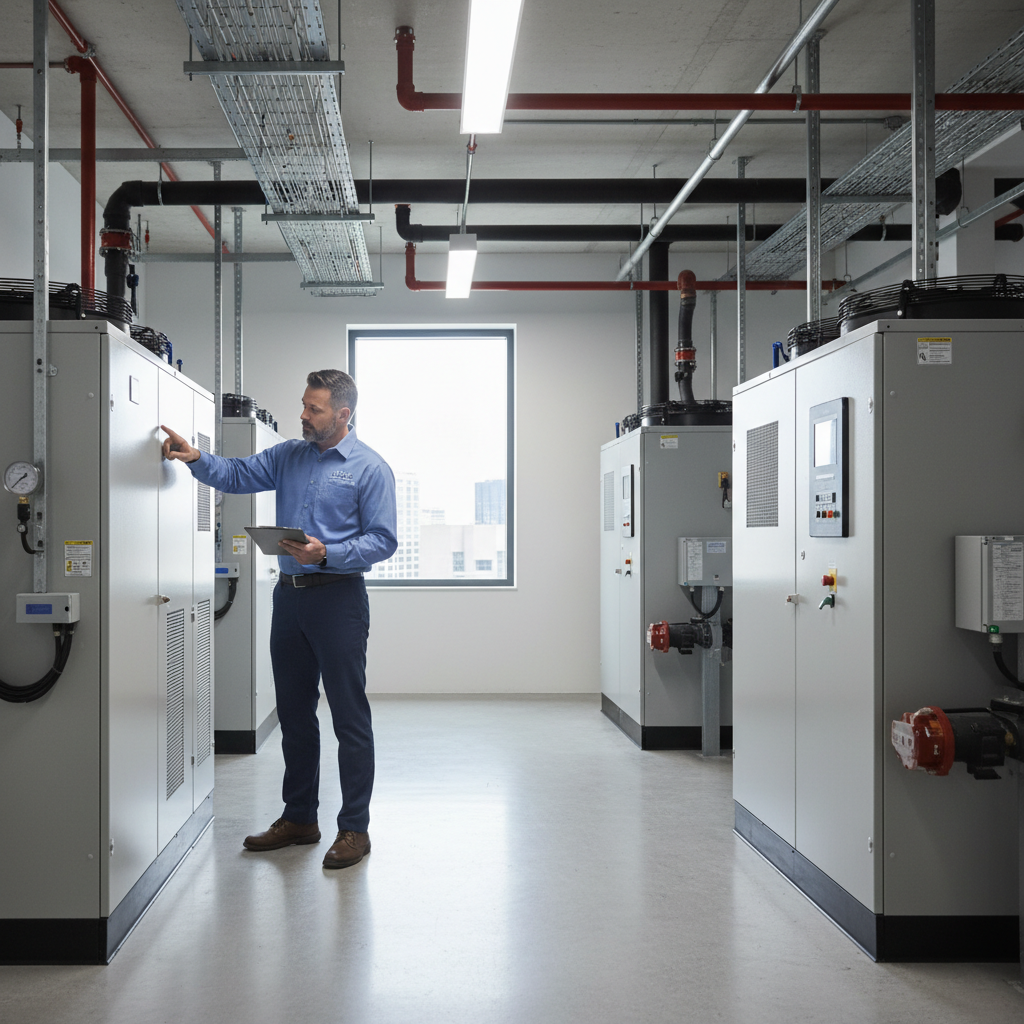
Commercial Preventative Maintenance Guide: Building a Complete PM Program
Reactive maintenance — fixing things after they break — costs commercial building operators an average of 3 to 5 times more than a structured preventative maintenance (PM) program. Equipment that fails unexpectedly doesn't just cost repair dollars; it costs downtime, tenant disruption, emergency service premiums, and in some cases, regulatory fines for code violations discovered during the incident.
This guide walks facility managers through building a complete PM program from scratch — covering all major building systems, scheduling frameworks, vendor management, documentation best practices, and real cost benchmarks.
What Is a Commercial Preventative Maintenance Program?
A commercial PM program is a scheduled, systematic approach to inspecting, servicing, and maintaining building systems before they fail. It includes defined tasks, assigned frequencies, responsible parties (in-house staff or outside vendors), documentation requirements, and budget allocations for each system.
A complete PM program covers:
- HVAC systems (RTUs, chillers, boilers, AHUs, cooling towers)
- Electrical systems (panels, generators, emergency lighting, ATS)
- Plumbing (water heaters, backflow preventers, drains, fixtures)
- Building envelope (roof, exterior walls, windows, caulking)
- Life safety systems (fire suppression, alarms, extinguishers, exit signs)
- Elevators and vertical transportation
- Parking lots and site features
- Interior finishes and common area maintenance
PM Scheduling Framework: Frequencies by System
Daily / Operational Checks
- Walk the building — look for water, unusual odors, temperature complaints
- Check BAS (building automation system) alarms
- Inspect loading docks, trash areas, and exterior doors
Monthly Tasks
- HVAC filter inspections and replacements as needed
- Test emergency lighting and exit signs (30-second test per NFPA 101)
- Test fire extinguisher pressure gauges — visual inspection
- Check fire suppression system pressure gauges
- Inspect elevator cab and report concerns to elevator company
- Inspect roof drains and gutters for debris buildup
- Test all GFCI and AFCI outlets
Quarterly Tasks
- HVAC coil inspections and cleaning
- Generator load test (minimum 30 minutes under load)
- Backflow preventer visual inspection
- Parking lot and exterior lighting inspection
- Check all door hardware, closers, and panic devices
- Pest control inspection and treatment
- Test smoke detectors in a rotating zone schedule
Semi-Annual Tasks
- HVAC seasonal changeover (cooling startup / heating startup)
- Window washing — exterior and interior
- Parking lot sweeping and striping assessment
- Roof inspection (spring and fall)
- Backflow preventer annual test (required by most municipal codes)
Annual Tasks
- Full electrical infrared thermography scan
- Fire suppression system annual inspection and certification
- Elevator annual inspection (required by state law)
- Boiler annual inspection and certification
- Full roof inspection and membrane assessment
- Retorque all electrical connections
- Full plumbing system inspection including water heaters
- Review and update all maintenance contracts and vendor agreements
- Capital planning review — identify aging equipment for replacement
Building a PM Budget
Industry benchmarks for annual commercial PM spending:
- Class A office buildings: $4.00 – $8.00 per square foot annually
- Industrial / warehouse: $1.50 – $3.00 per square foot annually
- Retail centers: $2.50 – $5.00 per square foot annually
- Healthcare facilities: $6.00 – $12.00+ per square foot annually
- Rule of thumb: 2–4% of building replacement value annually on maintenance
Buildings that defer maintenance consistently for 3+ years face a "deferred maintenance backlog" that typically reaches 10–20% of building value — far more expensive than a funded annual program.
Vendor Management for PM Programs
- Consolidate vendors where possible — fewer vendors means simpler coordination and often better pricing
- Use annual contracts with defined scope rather than time-and-material for routine PM tasks
- Require monthly or quarterly service reports from all contracted vendors
- Centralize all certificates of insurance (COIs) for vendor compliance
- Track vendor performance — response time, completion rate, and quality scores
- Conduct annual vendor reviews and competitive bidding for major contracts
PM Documentation Best Practices
- Use a CMMS (computerized maintenance management system) to track all PM tasks — even basic tools like Fiix, Hippo CMMS, or UpKeep are worthwhile
- Create equipment asset tags and tie all service history to individual assets
- Retain all inspection reports, certificates, and test results — minimum 3–5 years
- Document all warranty information for major equipment
- Maintain an up-to-date emergency contact list for all vendors and utility companies
ROI of Preventative Maintenance
- Studies show PM programs reduce emergency repair costs by 12–18% annually
- Properly maintained HVAC systems use 15–25% less energy than neglected systems
- Equipment lifespan extends 30–40% with structured PM vs. run-to-fail approach
- Tenant retention improves — comfort complaints are a leading cause of commercial lease non-renewals
Explore More Resources
Maintenance Checklist
Track and complete each task. Download a printable copy for your facility maintenance records.
Daily Tasks
Monthly Tasks
Quarterly Tasks
Annual Tasks
Facility Maintenance Providers
Verified companies specializing in facility maintenance services
Frequently Asked Questions
Common questions from facility managers and building owners.
Find Facility maintenance providers in Your State
Browse our directory of verified facility maintenance providers across all 50 states. Each state page includes provider listings, typical maintenance costs, industry insights, and a hiring checklist.