MEP Modernization: Retrofitting Aging Commercial Buildings for Energy Efficiency
A practical roadmap for retrofitting mechanical, electrical, and plumbing systems in older commercial buildings — covering energy audits, high-impact upgrades, available tax incentives, and phased implementation strategies.
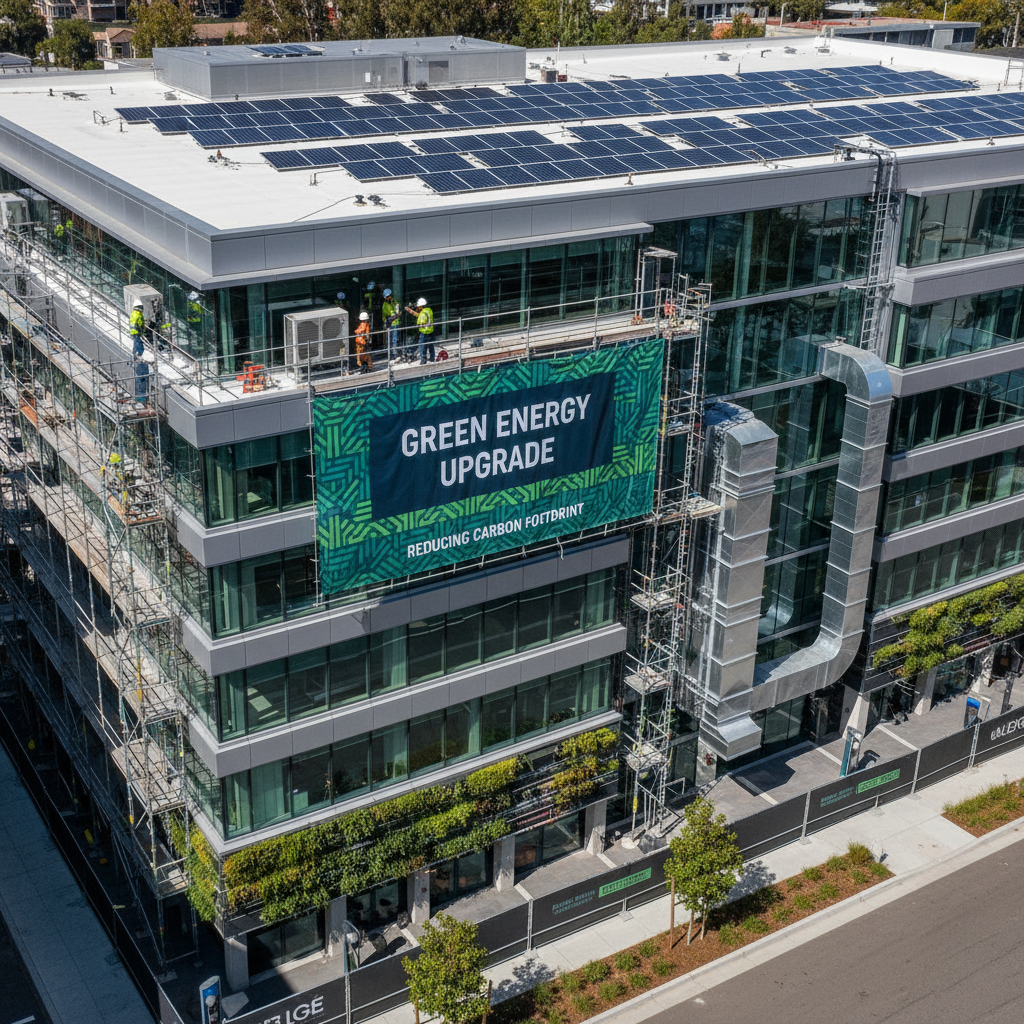
Why MEP Modernization Matters
Commercial buildings account for roughly 35% of U.S. electricity consumption, and the median commercial building is over 50 years old. Aging mechanical, electrical, and plumbing (MEP) systems in these buildings are a primary driver of high utility bills, tenant discomfort, and deferred maintenance backlogs. Modernizing these systems is no longer just a sustainability initiative — it's a financial imperative.
A well-executed MEP retrofit can reduce building energy consumption by 30–50%, improve tenant retention, extend asset life, and unlock significant tax incentives. This guide walks through the full modernization process from audit to implementation.
Step 1: Conduct a Comprehensive Energy Audit
Before retrofitting anything, you need to understand where your building is losing energy. An ASHRAE Level 2 energy audit is the industry standard for commercial buildings and provides:
- Detailed analysis of all energy-consuming systems (HVAC, lighting, plug loads, domestic hot water)
- Identification of no-cost and low-cost operational improvements
- Capital project recommendations with cost, savings, and payback calculations
- Benchmarking against similar buildings using ENERGY STAR Portfolio Manager
The audit should be conducted by a qualified energy engineer or MEP services contractor with commercial retrofit experience.
Step 2: Prioritize High-Impact Retrofit Projects
Not all upgrades deliver equal returns. Prioritize projects based on energy savings, payback period, and impact on occupant comfort:
HVAC System Upgrades
- Variable Frequency Drives (VFDs): Install VFDs on fans and pumps to modulate motor speed based on actual load — a retrofit that typically pays back in 1–3 years.
- Smart Thermostats and Controls: Upgrade to programmable or smart building controls that optimize scheduling, setback temperatures, and economizer operation.
- High-Efficiency Boilers and Chillers: Replace aging units with condensing boilers or high-efficiency chillers that can cut heating/cooling energy by 20–40%.
- Demand-Controlled Ventilation (DCV): Use CO₂ sensors to adjust outside air intake based on actual occupancy, reducing the energy spent conditioning unnecessary outside air.
Electrical System Upgrades
- LED Lighting Retrofits: The single highest-ROI retrofit for most buildings. LED conversions reduce lighting energy by 50–75% and dramatically reduce maintenance costs due to longer lamp life.
- Occupancy and Daylight Sensors: Pair LED retrofits with controls that turn lights off in unoccupied spaces and dim based on natural light availability.
- Panel and Switchgear Modernization: Aging electrical distribution equipment is a safety and reliability risk. Modernize panels to handle increased loads and integrate smart metering.
Plumbing and Water Systems
- Low-Flow Fixtures: Replace older toilets, urinals, and faucets with low-flow or dual-flush models — a simple swap that reduces water consumption by 20–40%.
- Domestic Hot Water Efficiency: Insulate hot water pipes, install recirculation pumps with timers, and consider tankless or high-efficiency water heaters.
- Leak Detection Systems: Install automated shut-off valves and leak sensors to prevent catastrophic water damage in multi-tenant buildings.
Step 3: Leverage Tax Credits and Rebates
MEP retrofits often qualify for significant financial incentives that dramatically improve ROI:
- Section 179D Commercial Buildings Energy-Efficiency Tax Deduction: Up to $5.81 per square foot for buildings that achieve 50%+ energy savings compared to ASHRAE 90.1 baseline.
- IRA §48E Investment Tax Credit: For buildings that incorporate renewable energy or energy-efficient property, offering credits of 6–30% of project cost.
- Utility Rebates: Most utility companies offer rebates for LED lighting, VFDs, high-efficiency HVAC, and building controls — often covering 10–50% of project cost.
Consult with a tax professional or energy consultant to ensure you capture all available incentives — many are time-sensitive.
Step 4: Plan a Phased Implementation
Attempting to retrofit all MEP systems simultaneously is rarely feasible — it's costly, disruptive to tenants, and difficult to manage. Instead, follow a phased approach:
- Phase 1 — Quick Wins (0–6 months): LED lighting, smart thermostats, low-flow fixtures, pipe insulation. Low cost, fast payback, minimal disruption.
- Phase 2 — Mid-Term Upgrades (6–18 months): VFDs on fans/pumps, demand-controlled ventilation, occupancy sensors, panel modernization.
- Phase 3 — Capital Projects (18–36 months): Boiler/chiller replacement, full BMS upgrade, renewable energy integration, envelope improvements.
Step 5: Commission and Verify
Retrofits only deliver projected savings if they're commissioned properly. After each phase:
- Verify that equipment is installed and configured per design specifications
- Conduct functional performance testing on all controls
- Benchmark post-retrofit energy consumption against the audit baseline
- Schedule ongoing measurement and verification (M&V) to ensure savings persist over time
Pro Tip: Find Retrofit Contractors
MEP retrofits require experienced contractors who understand commercial building constraints — minimizing tenant disruption, working within code requirements, and coordinating across trades. Search our directory for qualified commercial MEP retrofit contractors, or read more energy management guides to inform your modernization strategy.
Maintenance Checklist
Track and complete each task. Download a printable copy for your facility maintenance records.
Routine Inspection
Preventive Maintenance
Documentation
Energy Management Providers
Verified companies specializing in energy management services
Frequently Asked Questions
Common questions from facility managers and building owners.
Find Facility service providers in Your State
Browse our directory of verified facility service providers across all 50 states. Each state page includes provider listings, typical maintenance costs, industry insights, and a hiring checklist.