Sustainable Facility Management: A Complete Guide for Commercial Buildings
Learn how sustainable facility management reduces operating costs, improves tenant satisfaction, and achieves green building certifications. A complete roadmap for commercial buildings covering energy efficiency, water conservation, waste reduction, and indoor environmental quality.
Facility Services Editorial TeamAugust 15, 2026
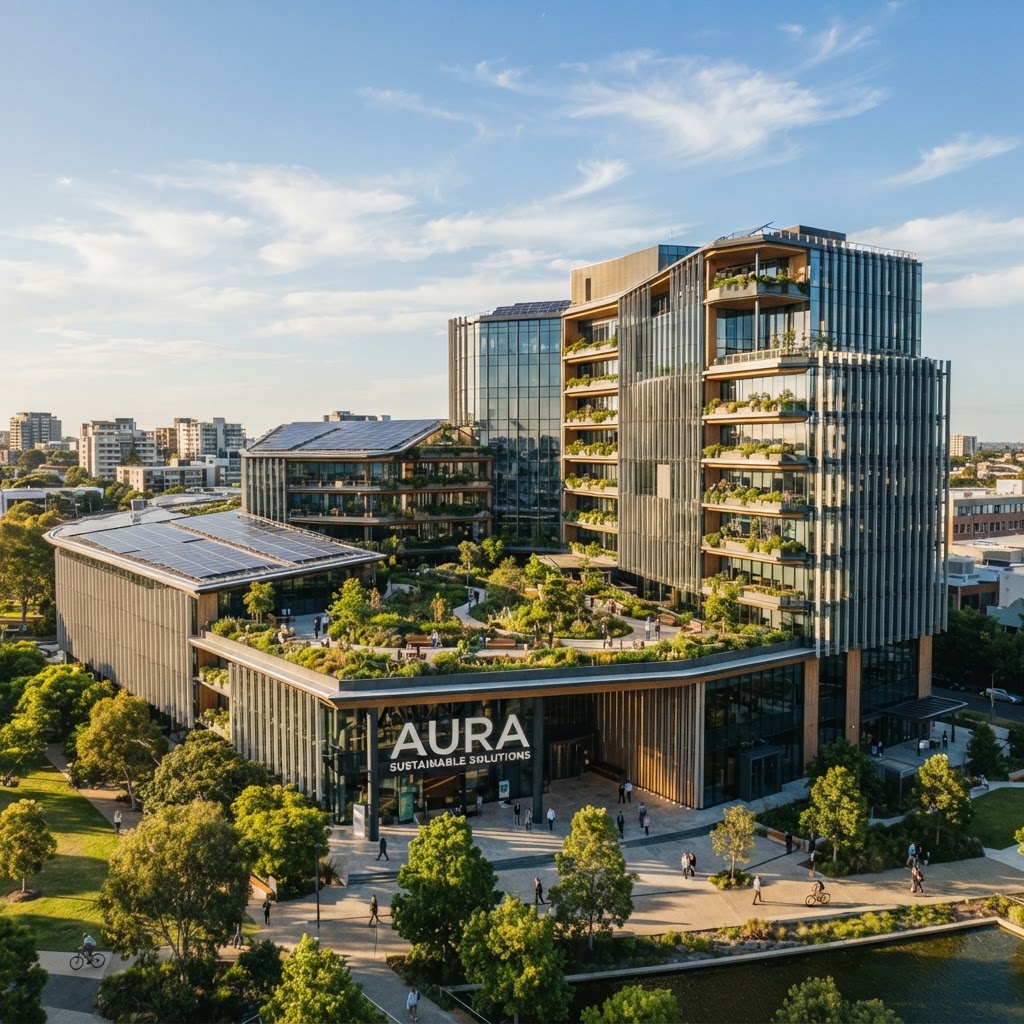
# Sustainable Facility Management: A Complete Guide for Commercial Buildings
Sustainable facility management is the practice of operating and maintaining commercial buildings in ways that reduce environmental impact, lower operating costs, and create healthier indoor environments. For facility managers, sustainability is no longer optional — it is a core operational strategy that delivers measurable financial returns, regulatory compliance, and tenant satisfaction.
## Why Sustainability Matters in Facility Management
Commercial buildings account for approximately 40% of total energy consumption and 30% of greenhouse gas emissions in the United States. Facility managers are uniquely positioned to reduce this footprint through operational decisions, maintenance practices, and capital improvement planning.
The business case is clear: sustainable buildings command higher rental premiums (3-7%), have lower operating costs (19% reduction on average), and demonstrate higher occupancy rates. Tenants increasingly demand green buildings — 79% of corporate tenants consider sustainability in leasing decisions.
## The Five Pillars of Sustainable Facility Management
### 1. Energy Efficiency
Energy is the largest operating expense for most commercial buildings, representing 30-40% of total operating costs. Key strategies include:
- **HVAC optimization**: Implement programmable thermostats, perform regular maintenance, and upgrade to high-efficiency equipment. A well-maintained HVAC system uses 5-15% less energy.
- **LED lighting retrofit**: LED lighting uses 75% less energy than incandescent and lasts 25 times longer. Payback periods typically range from 1-3 years.
- **Building automation systems (BAS)**: Modern BAS platforms integrate HVAC, lighting, and security controls to optimize energy use based on occupancy, time of day, and weather conditions.
- **Energy auditing**: Conduct professional energy audits annually to identify waste and prioritize improvements.
### 2. Water Conservation
Commercial buildings use an average of 14.6 gallons per square foot annually. Effective conservation measures include:
- **Low-flow fixtures**: Replace older faucets, showerheads, and toilets with low-flow alternatives that reduce water consumption by 20-60%.
- **Leak detection**: Implement automated leak detection systems. A single dripping faucet wastes over 3,000 gallons per year.
- **Smart irrigation**: Use weather-based irrigation controllers and drought-tolerant landscaping to reduce outdoor water use by 30-50%.
- **Greywater systems**: Capture and reuse greywater for landscaping and cooling tower makeup.
### 3. Waste Reduction and Recycling
Commercial facilities generate significant waste — office buildings average 1.5 pounds of waste per employee per day. A comprehensive waste management program includes:
- **Single-stream recycling**: Simplify recycling with single-stream collection, increasing participation rates by 40%.
- **Composting programs**: Divert organic waste from landfills through on-site or commercial composting.
- **Waste audits**: Conduct quarterly waste audits to identify diversion opportunities and track progress.
- **Procurement policies**: Source products with minimal packaging and recycled content.
### 4. Indoor Environmental Quality (IEQ)
Healthy buildings improve occupant productivity by 6-9% and reduce sick days. Key IEQ factors include:
- **Air quality**: Maintain proper ventilation rates, use MERV-13 filters, and monitor CO2 levels.
- **Daylighting**: Maximize natural light through window placement, light shelves, and skylights.
- **Low-emission materials**: Use paints, adhesives, and flooring with low or zero VOC content.
- **Acoustic comfort**: Address noise pollution with sound-absorbing materials and strategic layout.
### 5. Green Cleaning and Maintenance
Traditional cleaning chemicals contribute to indoor air pollution and health problems. Sustainable cleaning programs:
- Use Green Seal or EcoLogo-certified products
- Implement dilution control systems to reduce chemical waste
- Train staff on proper application and disposal
- Use microfiber cloths and mop heads to reduce water and chemical use
## Implementing a Sustainability Program
### Step 1: Baseline Assessment
Begin with a comprehensive assessment of current operations. Collect 12 months of utility data, conduct a facility walk-through, and identify quick-win opportunities. Benchmark your building using ENERGY STAR Portfolio Manager — a free EPA tool that compares your building's energy performance to similar properties.
### Step 2: Set Goals and Targets
Establish measurable, time-bound sustainability targets. Examples include:
- Reduce energy consumption by 15% within 24 months
- Achieve a 50% waste diversion rate within one year
- Reduce water consumption by 20% within 18 months
- Earn LEED for Existing Buildings certification within three years
### Step 3: Engage Stakeholders
Sustainability requires buy-in from building owners, tenants, facility staff, and vendors. Form a green team, conduct regular training, and communicate progress through newsletters and dashboards.
### Step 4: Track and Report
Measure performance against baseline data. Use sustainability reporting frameworks such as GRI (Global Reporting Initiative) or LEED performance scorecards to communicate results.
## The ROI of Sustainable Facility Management
Sustainable facility management delivers returns across multiple dimensions:
| Initiative | Typical Cost | Annual Savings | Payback Period |
|---|---|---|---|
| LED lighting retrofit | $2-4/sq ft | $0.50-1.00/sq ft | 2-4 years |
| Low-flow fixtures | $0.50-1.50/sq ft | $0.20-0.40/sq ft | 1-3 years |
| HVAC optimization | $0.50-2.00/sq ft | $0.30-0.80/sq ft | 2-3 years |
| Building automation | $1-3/sq ft | $0.40-1.00/sq ft | 2-4 years |
## Common Challenges and Solutions
**Budget constraints**: Prioritize projects by ROI. Many sustainability improvements pay for themselves within 1-3 years through utility savings. Utility rebates and tax incentives can offset 20-50% of project costs.
**Tenant resistance**: Engage tenants early and demonstrate benefits. Provide education on how sustainable practices improve comfort and reduce costs.
**Staff training**: Invest in training for facility staff. Many green cleaning and maintenance practices require different techniques than traditional methods.
## Conclusion
Sustainable facility management is a strategic investment that reduces operating costs, improves occupant satisfaction, and positions buildings for long-term value. By focusing on energy efficiency, water conservation, waste reduction, indoor environmental quality, and green maintenance practices, facility managers can transform their buildings into high-performing, sustainable assets.
Advertisement
Maintenance Checklist
Track and complete each task. Download a printable copy for your facility maintenance records.
Energy Efficiency
Water Conservation
Waste Reduction
Green Cleaning & IEQ
Sustainability Management
Facility Maintenance Providers
Verified companies specializing in sustainability services
Frequently Asked Questions
Common questions from facility managers and building owners.
Find Facility service providers in Your State
Browse our directory of verified facility service providers across all 50 states. Each state page includes provider listings, typical maintenance costs, industry insights, and a hiring checklist.
Facility service providers in AlabamaFacility service providers in AlaskaFacility service providers in ArizonaFacility service providers in ArkansasFacility service providers in CaliforniaFacility service providers in ColoradoFacility service providers in ConnecticutFacility service providers in DelawareFacility service providers in District of ColumbiaFacility service providers in FloridaFacility service providers in GeorgiaFacility service providers in HawaiiFacility service providers in IdahoFacility service providers in IllinoisFacility service providers in IndianaFacility service providers in IowaFacility service providers in KansasFacility service providers in KentuckyFacility service providers in LouisianaFacility service providers in MaineFacility service providers in MarylandFacility service providers in MassachusettsFacility service providers in MichiganFacility service providers in MinnesotaFacility service providers in MississippiFacility service providers in MissouriFacility service providers in MontanaFacility service providers in NebraskaFacility service providers in NevadaFacility service providers in New HampshireFacility service providers in New JerseyFacility service providers in New MexicoFacility service providers in New YorkFacility service providers in North CarolinaFacility service providers in North DakotaFacility service providers in OhioFacility service providers in OklahomaFacility service providers in OregonFacility service providers in PennsylvaniaFacility service providers in Rhode IslandFacility service providers in South CarolinaFacility service providers in South DakotaFacility service providers in TennesseeFacility service providers in TexasFacility service providers in UtahFacility service providers in VermontFacility service providers in VirginiaFacility service providers in WashingtonFacility service providers in West VirginiaFacility service providers in WisconsinFacility service providers in Wyoming