Green Cleaning Programs for Commercial Facilities
How to implement a green cleaning program for commercial facilities: certified products, dilution control systems, microfiber equipment, and LEED-compliant cleaning procedures that protect health and reduce environmental impact.
Facility Services Editorial TeamAugust 22, 2026
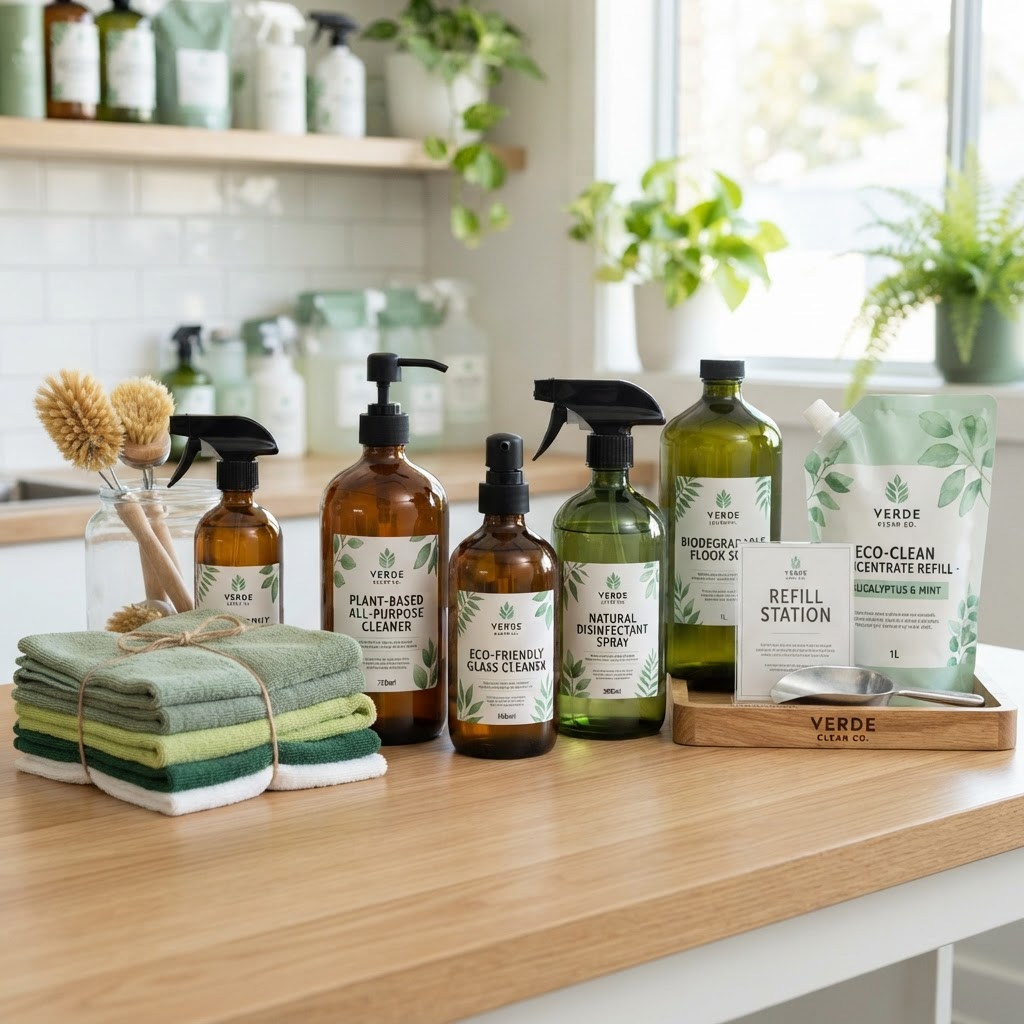
# Green Cleaning Programs for Commercial Facilities
Green cleaning is a systematic approach to facility maintenance that uses environmentally preferable products, equipment, and procedures to protect human health and the environment. For commercial buildings, green cleaning programs reduce exposure to harmful chemicals, improve indoor air quality, and support sustainability goals — all while maintaining or improving cleaning effectiveness.
## What Is Green Cleaning?
Green cleaning goes beyond simply using eco-friendly products. It encompasses a holistic approach that includes:
- **Product selection**: Choosing cleaning chemicals certified by third-party organizations
- **Equipment**: Using efficient equipment that reduces water, chemical, and energy use
- **Procedures**: Implementing cleaning methods that minimize waste and exposure
- **Training**: Educating staff on proper green cleaning techniques
- **Communication**: Engaging building occupants about the program's benefits
## Why Implement a Green Cleaning Program?
### Health Benefits
Traditional cleaning chemicals contain volatile organic compounds (VOCs), irritants, and known sensitizers that contribute to:
- Respiratory irritation and asthma
- Skin and eye irritation
- Headaches and fatigue
- Long-term health effects from chronic exposure
Green cleaning products have lower VOC emissions, reduced toxicity, and are less likely to cause adverse health effects. Studies show that green cleaning programs reduce absenteeism by 5-8% in office buildings.
### Environmental Benefits
- **Reduced water pollution**: Biodegradable formulas break down without harming aquatic ecosystems
- **Lower carbon footprint**: Concentrated formulas reduce packaging and transportation emissions
- **Reduced waste**: Dilution control systems eliminate over-pouring and chemical waste
- **Better indoor air quality**: Low-VOC products improve air quality for occupants
### Financial Benefits
- **Reduced absenteeism**: Healthier buildings mean fewer sick days
- **Lower workers' compensation claims**: Reduced chemical exposure incidents
- **Tenant satisfaction**: Green buildings command higher rents and occupancy rates
- **Regulatory compliance**: Meet green building certification requirements
## Green Cleaning Product Certifications
When selecting green cleaning products, look for these third-party certifications:
### Green Seal
Green Seal is the most widely recognized certification for cleaning products in North America. Green Seal-certified products meet rigorous standards for human and environmental health, including:
- Reduced toxicity
- No carcinogens or reproductive toxins
- No skin or eye irritants
- Biodegradable ingredients
- Reduced packaging waste
### EcoLogo
EcoLogo (now part of UL) certifies products that demonstrate reduced environmental impact across their lifecycle. Standards cover industrial, institutional, and household cleaning products.
### Safer Choice
The EPA's Safer Choice label identifies products with safer chemical ingredients without sacrificing quality or performance.
## Key Components of a Green Cleaning Program
### 1. Chemical Management
- **Dilution control systems**: Use dispensing equipment that automatically dilutes concentrated products to the correct ratio, reducing chemical waste by 30-50% and ensuring consistent cleaning performance.
- **Concentrated formulas**: Reduce packaging waste and transportation costs. A single gallon of concentrate can produce 64-256 gallons of ready-to-use solution.
- **Color-coded chemicals**: Assign colors to different product types (e.g., red for restroom, blue for glass, green for general purpose) to prevent misuse.
- **Inventory management**: Track chemical usage to identify waste and optimize ordering.
### 2. Equipment
- **High-filtration vacuums**: Use HEPA-filtered vacuums that capture 99.97% of particles 0.3 microns or larger, improving indoor air quality.
- **Microfiber cloths and mops**: Microfiber captures more soil and bacteria than traditional cotton cloths, uses less water and chemical, and lasts 300-500 wash cycles.
- **Auto-scrubbers**: Modern auto-scrubbers use 70% less water than traditional mopping and reduce chemical use through precise dispensing.
- **Entryway matting**: High-quality entryway matting captures 80-90% of soil at the door, reducing cleaning frequency and chemical use throughout the building.
### 3. Cleaning Procedures
- **Team cleaning**: Assign specialized roles to team members, reducing redundancy and improving efficiency.
- **Daytime cleaning**: Shift cleaning to daytime hours to reduce lighting and HVAC energy costs by 5-8%.
- **Touch-point cleaning**: Focus on high-touch surfaces (door handles, light switches, elevator buttons) to reduce disease transmission.
- **Preventive maintenance**: Address issues before they require harsh chemicals or intensive cleaning.
## Implementing a Green Cleaning Program
### Step 1: Assess Current Practices
Conduct a baseline assessment of current cleaning products, equipment, and procedures. Document chemical usage, identify hazardous products, and evaluate cleaning effectiveness.
### Step 2: Develop Green Cleaning Specifications
Create written specifications for:
- Approved product list (with certifications)
- Equipment requirements
- Cleaning procedures and frequencies
- Training requirements
- Quality assurance metrics
### Step 3: Select Green Products
Replace traditional chemicals with certified green alternatives. Most green products perform as well as or better than conventional products. Conduct side-by-side comparisons if performance concerns arise.
### Step 4: Train Staff
Comprehensive training is critical to program success. Topics should include:
- Proper dilution and application of chemicals
- Use of microfiber cloths and mops
- Equipment operation and maintenance
- Safety procedures and SDS management
- Green cleaning principles and benefits
### Step 5: Monitor and Improve
Track program performance through:
- Cleaning quality inspections
- Occupant satisfaction surveys
- Chemical usage reports
- Absenteeism rates
- Indoor air quality monitoring
## Green Cleaning for LEED Certification
Green cleaning is a prerequisite for LEED for Existing Buildings: Operations & Maintenance (LEED EBOM) certification. The LEED green cleaning credit awards up to 3 points for:
- Sustainable purchasing of cleaning products and materials
- Sustainable cleaning practices
- Sustainable custodial effectiveness
Meeting LEED green cleaning requirements requires documenting product purchases, training records, and cleaning effectiveness audits.
## Common Myths About Green Cleaning
**Myth: Green cleaning products don't work as well.**
Reality: Independent testing shows that certified green cleaning products perform comparably to conventional products. Third-party certifications require effectiveness testing.
**Myth: Green cleaning costs more.**
Reality: While some green products have a higher unit cost, concentrated formulas and dilution control systems often reduce total chemical costs. The savings from reduced absenteeism and workers' compensation claims further offset costs.
**Myth: Green cleaning is just about using eco-friendly chemicals.**
Reality: Green cleaning is a comprehensive program that includes products, equipment, procedures, training, and communication.
## Conclusion
A well-implemented green cleaning program protects building occupants, reduces environmental impact, and supports sustainability goals. By selecting certified products, using efficient equipment, implementing proven procedures, and training staff, facility managers can achieve cleaner, healthier, and more sustainable buildings.
Advertisement
Maintenance Checklist
Track and complete each task. Download a printable copy for your facility maintenance records.
Energy Efficiency
Water Conservation
Waste Reduction
Green Cleaning & IEQ
Sustainability Management
Facility Maintenance Providers
Verified companies specializing in sustainability services
Frequently Asked Questions
Common questions from facility managers and building owners.
Find Facility service providers in Your State
Browse our directory of verified facility service providers across all 50 states. Each state page includes provider listings, typical maintenance costs, industry insights, and a hiring checklist.
Facility service providers in AlabamaFacility service providers in AlaskaFacility service providers in ArizonaFacility service providers in ArkansasFacility service providers in CaliforniaFacility service providers in ColoradoFacility service providers in ConnecticutFacility service providers in DelawareFacility service providers in District of ColumbiaFacility service providers in FloridaFacility service providers in GeorgiaFacility service providers in HawaiiFacility service providers in IdahoFacility service providers in IllinoisFacility service providers in IndianaFacility service providers in IowaFacility service providers in KansasFacility service providers in KentuckyFacility service providers in LouisianaFacility service providers in MaineFacility service providers in MarylandFacility service providers in MassachusettsFacility service providers in MichiganFacility service providers in MinnesotaFacility service providers in MississippiFacility service providers in MissouriFacility service providers in MontanaFacility service providers in NebraskaFacility service providers in NevadaFacility service providers in New HampshireFacility service providers in New JerseyFacility service providers in New MexicoFacility service providers in New YorkFacility service providers in North CarolinaFacility service providers in North DakotaFacility service providers in OhioFacility service providers in OklahomaFacility service providers in OregonFacility service providers in PennsylvaniaFacility service providers in Rhode IslandFacility service providers in South CarolinaFacility service providers in South DakotaFacility service providers in TennesseeFacility service providers in TexasFacility service providers in UtahFacility service providers in VermontFacility service providers in VirginiaFacility service providers in WashingtonFacility service providers in West VirginiaFacility service providers in WisconsinFacility service providers in Wyoming