Commercial Security Services: What Facility Managers Need to Know
A comprehensive overview of commercial security options — from access control and video surveillance to guard services and emergency planning — to help facility managers protect their properties and occupants.
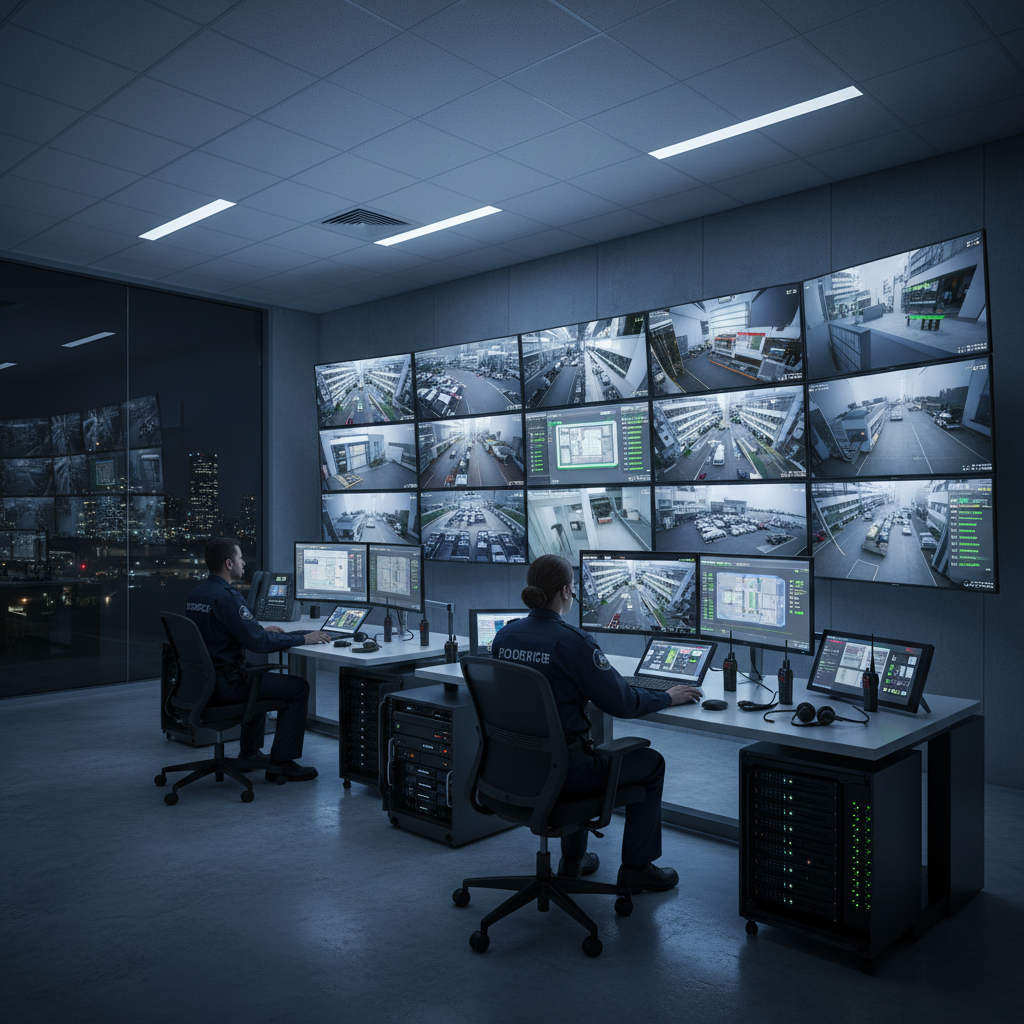
Building Security as a Facility Management Priority
Security is a fundamental responsibility for any facility manager. Beyond protecting physical assets, an effective security program safeguards employees, tenants, visitors, and sensitive data. A security failure — whether a break-in, workplace violence incident, or unauthorized access event — carries consequences that extend far beyond the immediate incident to include liability exposure, reputational damage, and significant operational disruption.
Commercial security has evolved considerably in recent years. Technology advances have expanded the capabilities of access control, video surveillance, and monitoring systems substantially, while integrated platforms now allow facility managers to manage multiple security functions from a single interface. Understanding the full range of available options helps facility professionals make informed decisions about where to invest their security budgets.
Key Components of a Commercial Security Program
A comprehensive security program combines physical security measures, electronic systems, and human elements working together. Physical security includes perimeter controls such as fencing, barriers, and lighting; entry point hardening through quality door hardware, locks, and reinforced frames; and interior compartmentalization that limits access to sensitive areas.
Electronic security systems include access control systems, video surveillance (CCTV), intrusion detection and alarm systems, intercom and visitor management systems, and increasingly, integrated security management platforms that connect these elements. Human security includes security officers, reception staff trained in security protocols, and employee security awareness programs.
Access Control Systems for Commercial Buildings
Modern access control goes far beyond traditional locks and keys. Electronic access control systems allow facility managers to grant and revoke access permissions instantly, create different access levels for different personnel, and maintain detailed audit trails of who accessed which areas and when.
Card-based systems using proximity cards or smart cards remain widely used in commercial settings.
Mobile credentials using smartphones as access devices are growing rapidly, offering added convenience and eliminating the cost of physical card production. Biometric systems using fingerprint, facial recognition, or other unique identifiers provide the highest level of security for sensitive areas.
When selecting an access control platform, consider scalability to accommodate growth, integration capability with video surveillance and other systems, cloud-based management options for multi-site operations, and vendor stability and support quality.
Video Surveillance Systems
Video surveillance serves dual purposes in commercial facilities: deterring criminal activity and providing evidence when incidents occur. Modern IP camera systems offer significantly superior image quality compared to older analog systems, and features like high-definition resolution, wide dynamic range, and low-light performance have become standard.
Camera placement strategy is as important as camera quality. Entry and exit points, parking areas, loading docks, cash handling areas, server rooms, and common areas all represent priority locations. Work with a qualified security integrator to develop a camera coverage plan that eliminates blind spots in critical areas.
Video storage and retention policies must balance security needs with storage costs and any applicable privacy regulations. Cloud-based video storage solutions offer scalability and redundancy advantages over traditional on-site recording systems.
Security Staffing Considerations
Whether to employ in-house security officers or contract with a professional security firm is a decision that depends on the size, type, and risk profile of the facility. Contract security firms offer flexibility, built-in training and supervision programs, and liability advantages. In-house security staff may develop deeper familiarity with the specific property and its occupants.
Regardless of staffing model, security personnel should receive clear, documented post orders that define their responsibilities, authority levels, and procedures for common scenarios. Regular training covering emergency response, access control procedures, visitor management, and report writing is essential.
Emergency Planning and Security Protocols
Security planning must include preparation for emergency scenarios including fire, medical emergencies, severe weather, active threat situations, and utility failures. Emergency action plans should be documented, communicated to all building occupants, and practiced through regular drills.
Coordination with local law enforcement and emergency services is an important component of security planning that is often overlooked. Establishing relationships with the local police department's commercial crime prevention unit, sharing building floor plans with the fire department, and participating in community emergency preparedness programs all enhance the facility's resilience.
Security Technology Integration
The most effective commercial security programs leverage technology integration to reduce response times and improve situational awareness. Integrated platforms that connect access control, video surveillance, alarm systems, and visitor management allow a single operator to monitor and manage all security functions from one interface.
Artificial intelligence capabilities including video analytics, license plate recognition, and behavioral anomaly detection are increasingly accessible and practical for commercial applications. These tools can dramatically increase the effectiveness of video surveillance by automatically flagging events of interest rather than requiring operators to watch hours of footage manually.
Maintenance Checklist
Track and complete each task. Download a printable copy for your facility maintenance records.
Routine Inspection
Preventive Maintenance
Documentation
Security Services Providers
Verified companies specializing in security services services
Frequently Asked Questions
Common questions from facility managers and building owners.
Find Facility service providers in Your State
Browse our directory of verified facility service providers across all 50 states. Each state page includes provider listings, typical maintenance costs, industry insights, and a hiring checklist.