Commercial Pest Control: One-Time Service vs. Ongoing Contract — What's Worth It?
A practical guide for facility managers on when a one-time pest treatment makes sense vs. committing to an ongoing commercial pest control contract — including cost comparisons and what to look for in a program.
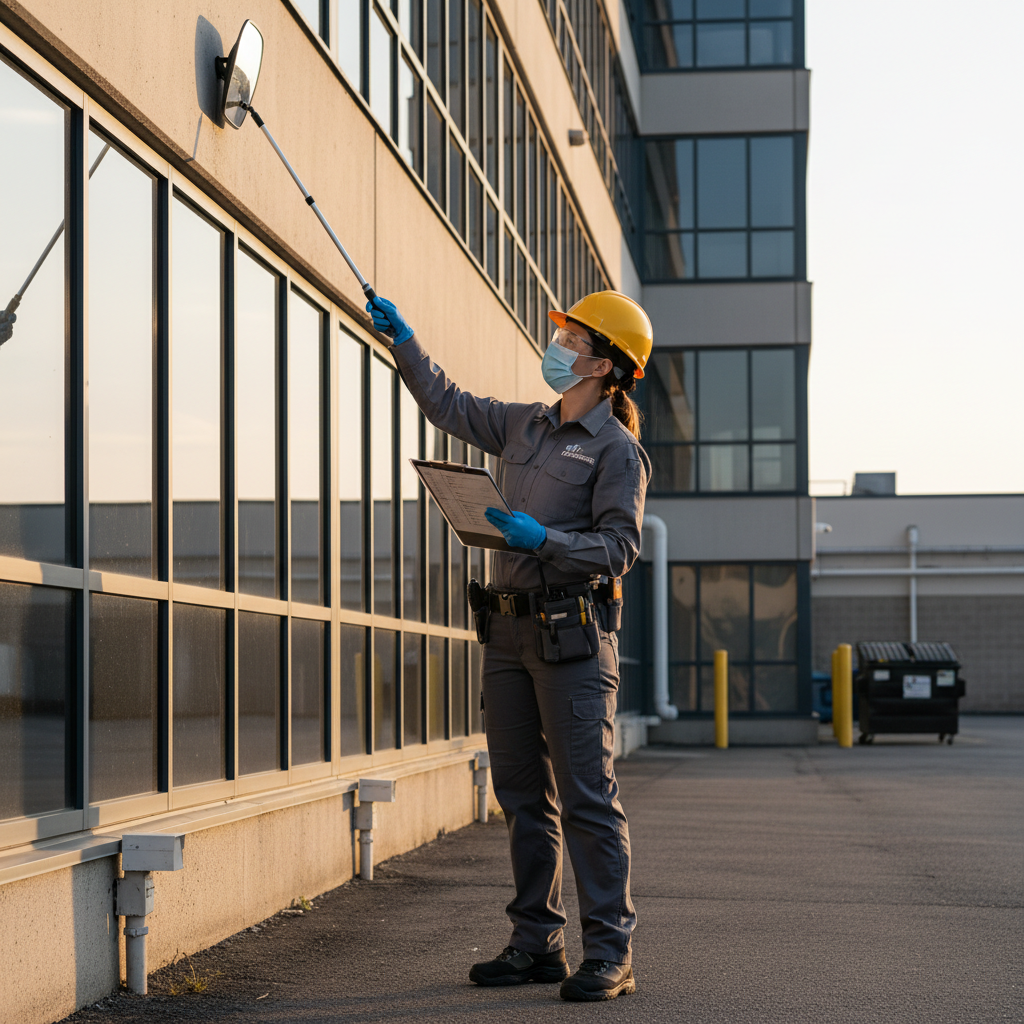
Commercial Pest Control: One-Time Service vs. Ongoing Contract — What's Worth It?
Pest control is one of those facility services that nobody thinks about until there's a problem — and by the time there's a visible pest problem in a commercial building, reactive treatment is both more expensive and less effective than a prevention-focused program would have been.
This guide explains the difference between one-time treatments and ongoing integrated pest management (IPM) contracts, when each makes sense, and how to evaluate commercial pest control pricing.
One-Time Treatment: When It Makes Sense
A one-time pest treatment addresses a specific, isolated infestation after it's been identified. It makes sense in limited scenarios:
- New building takeover: A one-time baseline treatment before occupancy to address any pre-existing pest pressure
- Isolated incidents in low-risk facilities: A warehouse with a one-time mouse entry point during a specific season, with no food attractants or ongoing conducive conditions
- Tenant responsibility dispute: When pest responsibility is unclear and a one-time treatment is needed to resolve an immediate issue while longer-term responsibility is determined
- Highly seasonal issues: Specific treatments for seasonal pests (stink bugs, cluster flies) in facilities with no food or moisture attractants
One-time treatments typically cost 30–50% more per visit than the equivalent visit under an ongoing contract — and they provide no warranty against reinfestation.
Ongoing Integrated Pest Management (IPM): When It's Essential
An ongoing IPM contract is the appropriate model for the vast majority of commercial buildings. IPM is the industry standard approach that prioritizes prevention, monitoring, and targeted treatment over routine pesticide application.
An ongoing contract is essential for:
- Food service and restaurant facilities: Health department requirements, high attractant levels, and regulatory inspection risk make ongoing programs non-negotiable
- Healthcare facilities: Zero-tolerance pest standard; pest evidence can result in accreditation issues and regulatory action
- Multi-tenant buildings: Pest pressure in one unit spreads to others — building-wide programs are far more effective than unit-by-unit reactive treatments
- Properties with documented pest history: Recurring pest issues without a prevention program will continue recurring
- High-value inventory storage: Rodent damage to inventory and equipment far exceeds the cost of prevention
- Any facility handling food, paper, or organic materials
What a Quality IPM Program Includes
- Inspection and monitoring: Regular inspection of entry points, conducive conditions, and monitoring stations — data-driven, not calendar-driven treatment
- Entry point exclusion: Identifying and sealing gaps, cracks, and structural vulnerabilities that allow pest entry
- Sanitation recommendations: Working with facility management to eliminate food, water, and harborage that attract pests
- Targeted treatment: Applying treatments only where pest activity is documented, using the least disruptive effective method
- Documentation: Written service reports after every visit, pesticide application records, material safety data sheets on file
- Trend analysis: Monthly and quarterly review of pest pressure trends to identify emerging issues before they become infestations
Service Frequency Options
- Monthly service: Standard for most commercial buildings, food-adjacent facilities, and multi-tenant properties
- Bi-monthly (every 2 months): Appropriate for low-risk office or industrial facilities with no food service
- Quarterly: Minimum frequency for any ongoing program — appropriate only for very low-risk facilities
- Weekly or bi-weekly: Required for restaurant kitchens, food processing, and healthcare environments with active pest pressure
Commercial Pest Control Cost Benchmarks (2026)
Ongoing IPM Contracts (Monthly)
- Small office/retail (under 5,000 sq ft): $75 – $150/month
- Medium commercial building (5,000–20,000 sq ft): $150 – $400/month
- Large commercial/industrial (20,000–100,000 sq ft): $400 – $1,200/month
- Restaurant/food service: $200 – $600/month (monthly service standard)
- Healthcare facility: $300 – $1,500/month depending on size and acuity
One-Time Treatments
- Rodent treatment (small commercial): $300 – $800
- Cockroach treatment: $200 – $600 per treatment
- Bed bug treatment (commercial): $500 – $2,000+ depending on scope
- Termite treatment (per linear foot of foundation): $4 – $12
- Wasp/bee nest removal: $150 – $500
What to Look for in a Commercial Pest Control Provider
- State pesticide applicator license: Required for any commercial pesticide application — verify through your state's department of agriculture
- IPM-certified or QualityPro certified: Industry certification programs that indicate commitment to professional standards
- Written service reports: Every visit should produce a written report — pest pressure, areas treated, products used, and recommendations
- Pesticide records on file: Federal and state law requires pesticide application records to be retained — your provider should maintain these and make them available to you
- Emergency response capability: Pest emergencies (rodents in a kitchen during a health inspection) require same-day response — confirm availability
- References from comparable facility types: A provider experienced in restaurants may not be the right choice for a healthcare facility
- General liability and workers' compensation insurance
The Bottom Line
For most commercial facilities, an ongoing IPM program is the correct choice. The cost of prevention is consistently lower than the cost of remediation — a serious rodent infestation in a food service operation can cost $5,000–$20,000 to remediate, plus lost business and regulatory consequences that dwarf a year's worth of monthly service visits.
Reserve one-time treatments for genuinely isolated, low-risk scenarios. For any facility with food, significant moisture sources, or a documented pest history, an ongoing program isn't optional — it's standard operating procedure.
Maintenance Checklist
Track and complete each task. Download a printable copy for your facility maintenance records.
Routine Inspection
Preventive Maintenance
Documentation
Pest Control Providers
Verified companies specializing in pest control services
Frequently Asked Questions
Common questions from facility managers and building owners.
Find Pest control providers in Your State
Browse our directory of verified pest control providers across all 50 states. Each state page includes provider listings, typical maintenance costs, industry insights, and a hiring checklist.