Commercial HVAC Maintenance Checklist: Costs, Schedules & Contractor Guide
Learn how to build a commercial HVAC maintenance program that cuts energy costs, prevents costly breakdowns, and keeps your facility comfortable year-round. Includes a seasonal checklist and contractor selection tips.
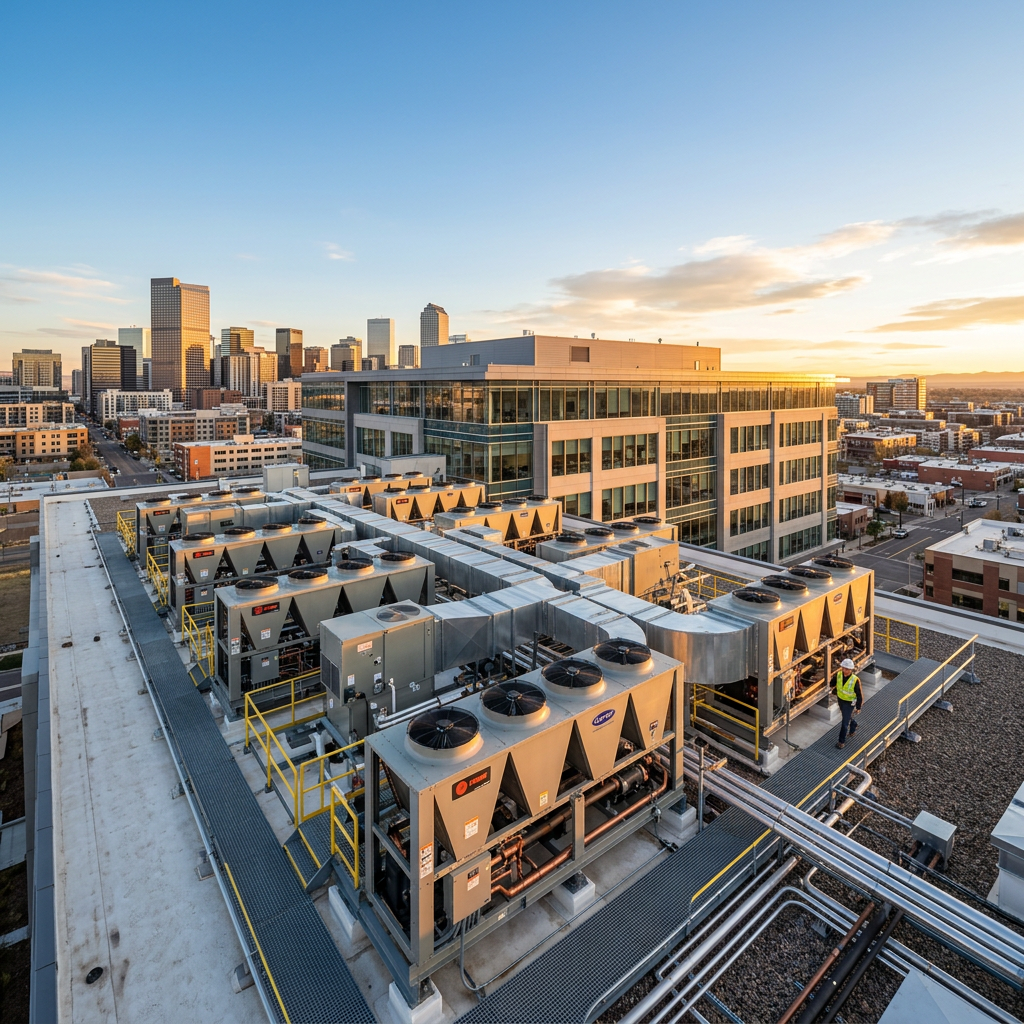
Commercial HVAC Maintenance Checklist: Costs, Schedules & Contractor Guide
HVAC systems account for roughly 40% of a commercial building's total energy consumption. A neglected system costs more to run, fails more often, and gets replaced years ahead of schedule. A proactive maintenance program reduces emergency repair costs, extends equipment lifespan, and keeps tenants comfortable year-round.
Monthly Maintenance Checklist
- Inspect and replace air filters
- Check thermostat calibration and setpoints
- Inspect belts and pulleys for wear or cracking
- Review building automation system (BAS) alerts
- Check drain pans and condensate lines for blockages
Quarterly Maintenance Checklist
- Clean evaporator and condenser coils
- Lubricate all moving parts and bearings
- Check refrigerant levels (EPA 608 certified tech required)
- Inspect ductwork for leaks or damage
- Test safety controls and shutoffs
Annual Maintenance Checklist
- Full system tune-up and performance test
- Combustion analysis on gas-fired equipment
- Clean and inspect cooling towers
- Review and update BAS programming
- Inspect electrical connections and control panels
- Document equipment age and condition for capital planning
Typical Commercial HVAC Maintenance Costs (2026)
Costs vary based on system size, building type, and contract scope. General benchmarks:
- Preventative maintenance contract: $0.15 – $0.35 per sq ft per year
- Per-visit service call: $150 – $450 depending on system complexity
- Filter replacement (per unit): $20 – $80 depending on MERV rating
- Coil cleaning: $200 – $600 per AHU
- Emergency after-hours repair: $250 – $600+ depending on fault
- Full rooftop unit replacement: $5,000 – $15,000 per unit
Buildings with PM contracts typically spend 15–25% less on reactive repairs compared to those without structured programs.
How to Select a Commercial HVAC Contractor
Choosing the right service provider is as important as the maintenance program itself. Look for commercial-specific experience — residential technicians are not equipped for large commercial systems.
Key qualifications to verify:
- EPA 608 certification for refrigerant handling
- State contractor licensing
- Manufacturer certifications for your equipment brands
- Experience with similar building types and system sizes
- Documented emergency response time commitments
Energy Efficiency Considerations
A maintained system is a more efficient one. Additional measures that reduce energy spend:
- Programmable and smart thermostats for unoccupied-hours savings
- Economizer controls for free cooling during mild weather
- Variable frequency drives (VFDs) on fan and pump motors
- Retrocommissioning to recover 5–15% in energy savings with no capital outlay
HVAC System Lifecycle Planning
Even with excellent maintenance, equipment reaches end of life. Typical commercial lifespans:
- Chillers: 20–30 years
- Rooftop units: 15–20 years
- Boilers: 25–35 years
- Air handling units: 15–25 years
Track equipment age and condition annually and maintain a capital replacement reserve so major expenditures are planned — not reactive.
Explore More Resources
Maintenance Checklist
Track and complete each task. Download a printable copy for your facility maintenance records.
Routine Inspection
Preventive Maintenance
Documentation
HVAC Services Providers
Frequently Asked Questions
Common questions from facility managers and building owners.
Find Facility service providers in Your State
Browse our directory of verified facility service providers across all 50 states. Each state page includes provider listings, typical maintenance costs, industry insights, and a hiring checklist.