Code Compliance 101: Navigating NFPA and Local MEP Standards
A practical overview of the NFPA codes, local ordinances, and MEP standards that facility managers must navigate to stay inspection-ready, avoid fines, and protect building occupants.
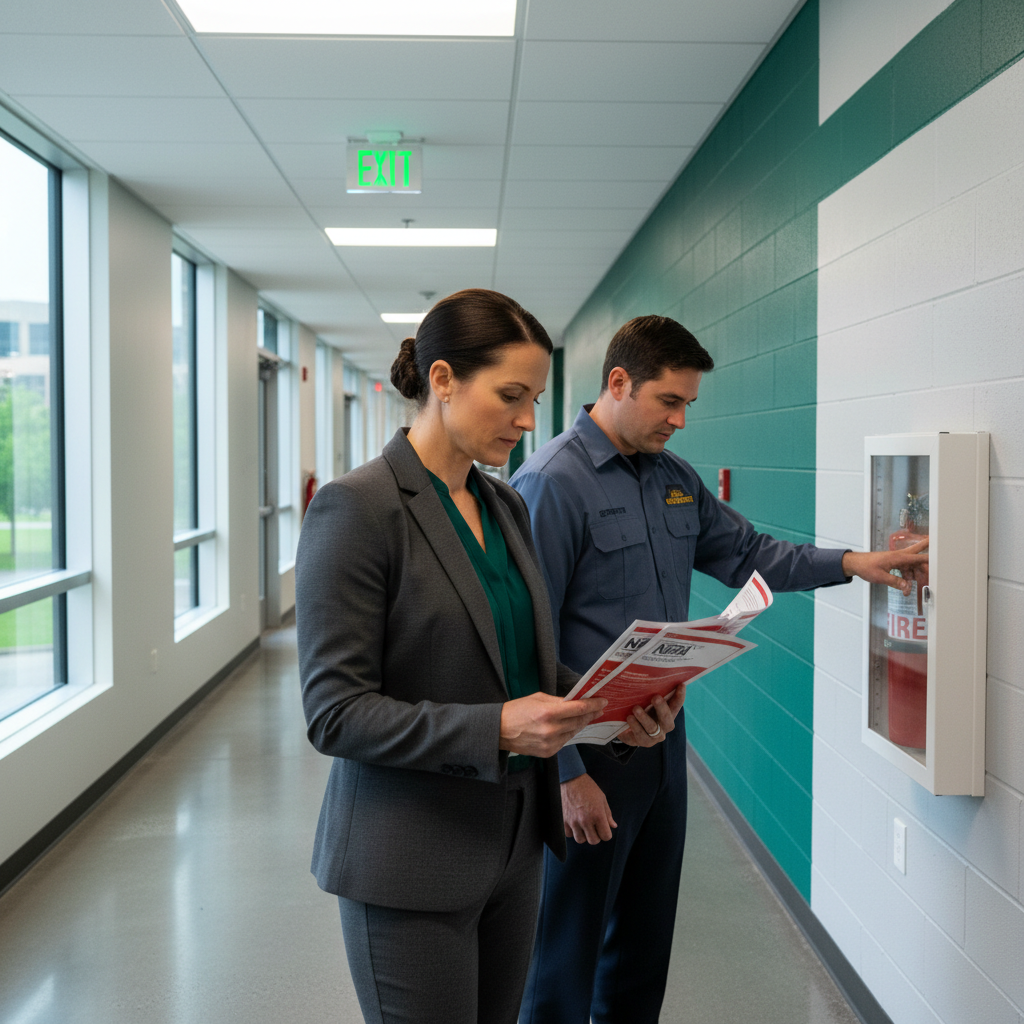
Why MEP Code Compliance Matters
Code compliance is one of the least glamorous but most critical responsibilities of a facility manager. Non-compliance with mechanical, electrical, and plumbing codes can result in fines, insurance penalties, operational shutdowns, and — in the worst case — catastrophic loss of life. A single failed fire inspection can halt business operations for days; an outdated electrical panel can be the root cause of a devastating fire.
This guide provides an overview of the key codes facility managers need to understand, a framework for staying inspection-ready, and practical strategies for managing compliance across multiple jurisdictions.
Key NFPA Codes Every Facility Manager Should Know
The National Fire Protection Association (NFPA) publishes over 300 codes and standards. While not all apply to every facility, the following are the most commonly enforced in commercial buildings:
NFPA 70 — National Electrical Code (NEC)
The NEC governs all electrical installation and is adopted in some form by all 50 states. Key areas facility managers should monitor:
- Arc-fault circuit interrupter (AFCI) requirements
- Ground-fault circuit interrupter (GFCI) protection in wet/damp locations
- Panel labeling, working clearances, and access
- Emergency and exit lighting circuit requirements
NFPA 72 — National Fire Alarm and Signaling Code
Governs the design, installation, testing, and maintenance of fire alarm systems. Key requirements include:
- Annual full-system functional testing by a licensed contractor
- Semi-annual inspection of sprinkler systems and fire pumps
- Monthly visual inspections of pull stations, smoke detectors, and notification appliances
- Documentation of all inspections, tests, and deficiencies — kept on-site for inspector review
NFPA 25 — Inspection, Testing, and Maintenance of Water-Based Fire Protection Systems
Covers sprinkler systems, fire pumps, standpipes, and fire hoses. Facility managers must ensure:
- Quarterly sprinkler system inspections
- Annual full sprinkler system assessment including main drain tests
- Five-year internal pipe and valve obstruction inspections
- Fire pump weekly churn tests (for electric and diesel pumps)
NFPA 101 — Life Safety Code
Focuses on occupant safety including means of egress, fire barriers, and emergency lighting. Common deficiencies include:
- Blocked or locked exit doors
- Inadequate exit sign illumination
- Compromised fire-rated walls and doors (improperly installed penetrations)
- Missing or expired fire extinguisher tags
Understanding Local and State Variations
NFPA codes form a baseline, but local jurisdictions frequently adopt amendments that are stricter than the national standard. Key considerations:
- Adoption Cycles: Jurisdictions adopt different edition years of NFPA codes. Your local fire marshal may enforce NFPA 72 (2016) while a neighboring city enforces the 2019 edition — with different requirements.
- Local Ordinances: Cities may have additional requirements for backflow prevention, grease trap maintenance, elevator inspections, or high-rise building evacuation plans that go beyond NFPA.
- State Plumbing and Mechanical Codes: These are typically based on the International Plumbing Code (IPC) and International Mechanical Code (IMC) but with state-specific amendments.
- Permit and Inspection Processes: Each jurisdiction has its own permitting process, inspection scheduling, and documentation requirements. Building a relationship with your local Authority Having Jurisdiction (AHJ) is essential.
The Inspection-Readiness Checklist
Staying inspection-ready means maintaining compliance as an ongoing discipline rather than scrambling before an inspection. Use this monthly checklist:
Monthly Tasks
- Walk all exit routes — verify doors open freely, paths are clear, and exit signs are illuminated
- Visually inspect all fire extinguishers — verify they're charged, accessible, and tagged
- Test emergency lighting units (30-second functional test)
- Check electrical panel access — verify 36-inch clearance and no storage in front of panels
- Inspect domestic water backflow preventers
Quarterly Tasks
- Sprinkler system inspection by licensed contractor
- Fire alarm system quarterly inspection
- Emergency generator load test (if applicable)
- Review and update emergency action plan and evacuation routes
Annual Tasks
- Full fire alarm system functional test by licensed contractor
- Full sprinkler system assessment (NFPA 25)
- Fire pump annual flow test
- Elevator inspection and certification
- Boiler/chiller annual inspection and tune-up
- Backflow preventer annual test and certification
Managing Compliance Documentation
Inspections are documentation-driven. If it isn't documented, it didn't happen. Best practices:
- Maintain a digital compliance binder with all inspection reports, test results, and certificates
- Use a CMMS or compliance management platform to schedule recurring inspections and track deficiencies
- Ensure all contractor inspection reports are signed, dated, and stored immediately after each service visit
- Conduct a pre-inspection walkthrough before any AHJ visit to catch obvious deficiencies
Pro Tip: Find Licensed Compliance Contractors
Fire alarm testing, sprinkler inspections, and backflow certifications require licensed, certified contractors. Search our directory for verified compliance and safety service providers in your area. For more facility maintenance best practices, explore our full library of industry guides.
Maintenance Checklist
Track and complete each task. Download a printable copy for your facility maintenance records.
Routine Inspection
Preventive Maintenance
Documentation
Frequently Asked Questions
Common questions from facility managers and building owners.
Find Facility service providers in Your State
Browse our directory of verified facility service providers across all 50 states. Each state page includes provider listings, typical maintenance costs, industry insights, and a hiring checklist.