Commercial Roof Maintenance: Inspection Schedules, Common Failures, and Preventing Costly Repairs
A facility manager's guide to commercial roofing — covering inspection frequency and what to look for, the most common failure modes by roof type, proactive maintenance tasks that extend service life, and how to evaluate roofing contractor bids.
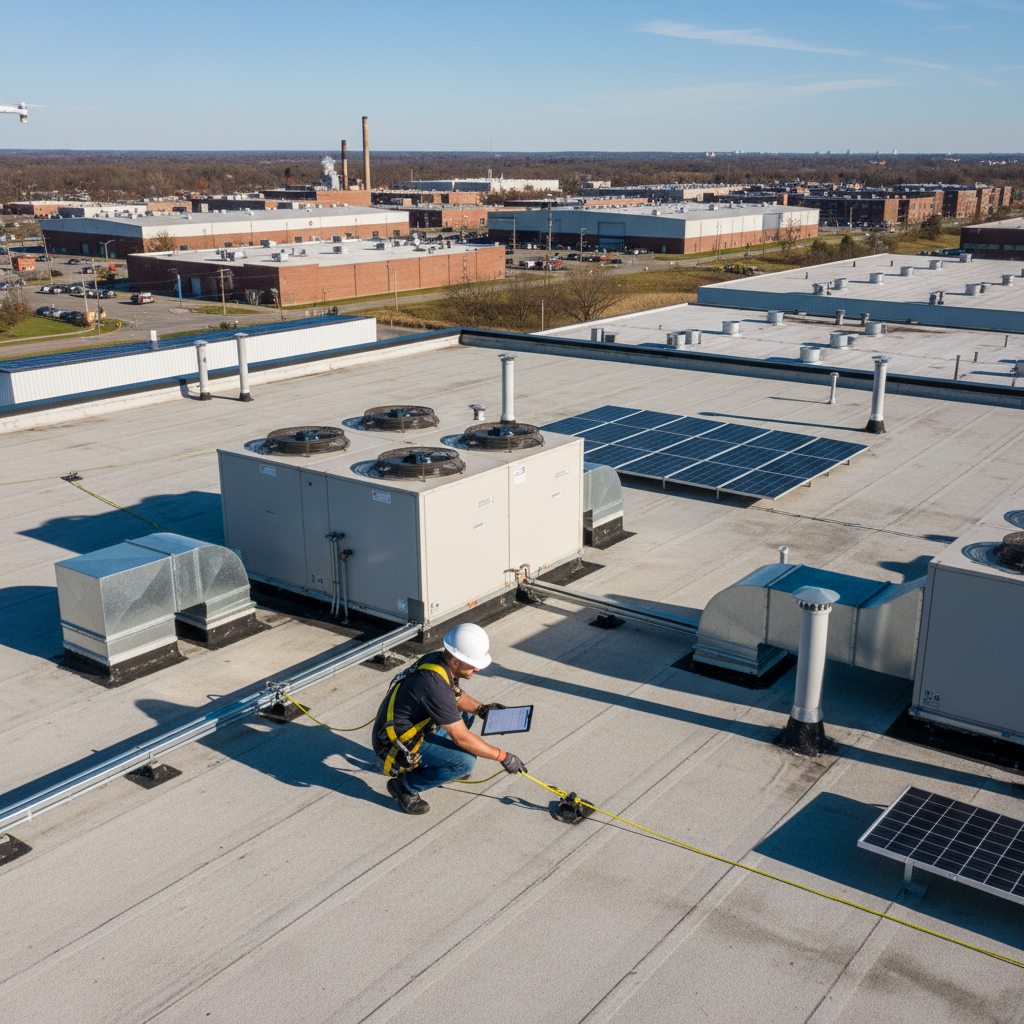
Commercial Roof Maintenance: Inspection Schedules, Common Failures, and Preventing Costly Repairs
The roof is the most consequential building component a facility manager oversees. A well-maintained commercial roof has a service life of 20–30+ years. A neglected one fails in 10–12 — and a single significant leak can cause hundreds of thousands of dollars in interior damage, inventory loss, business interruption, and mold remediation. Yet roofing is one of the most chronically deferred maintenance categories in facility management.
This guide provides a practical framework for commercial roof maintenance: what to inspect, how often, what to look for, and how to extend the life of your roof through proactive maintenance rather than reactive emergency repairs.
Commercial Roof Types and Their Characteristics
Maintenance protocols vary significantly by roof type. The most common commercial roofing systems:
- TPO (Thermoplastic Polyolefin): The dominant low-slope commercial roofing material. White membrane, heat-welded seams, reflective. Common failure modes: seam separation, punctures, ponding water damage, flashing failures at penetrations.
- EPDM (Ethylene Propylene Diene Monomer): Black rubber membrane, adhesive or mechanically fastened seams. Common failures: seam adhesive failure (especially in older systems), shrinkage causing flashing pulls, punctures.
- Modified Bitumen: Asphalt-based, granule-surfaced, torch-applied or cold-applied. Common failures: blistering, granule loss, flashing failures, split seams.
- Built-Up Roofing (BUR): Multiple layers of bitumen and reinforcing fabric. Long service life when maintained. Common failures: alligatoring surface, flashing separation, membrane cracking.
- Metal Roofing: Standing seam or through-fastened metal panels. Common failures: fastener back-out, sealant degradation at penetrations, rust at cut edges, panel expansion/contraction issues.
- Spray Polyurethane Foam (SPF): Seamless insulated system with protective elastomeric coating. Common failures: coating degradation from UV exposure (requires recoat every 10–15 years), bird pecking, hail damage.
Inspection Schedule
Industry best practice for commercial roof inspection frequency:
- Twice annually (spring and fall): Full visual inspection by a qualified roofing professional. Spring inspection identifies winter damage; fall inspection ensures the roof is prepared for freeze-thaw cycles and precipitation.
- After every significant weather event: Major storms (hail, high winds, heavy snow loads), temperature extremes. Post-storm inspections are critical for early leak detection before interior damage occurs.
- Quarterly self-inspection: Facility staff can perform a basic walk-through inspection on accessible roofs to monitor drainage, identify obvious damage, and check equipment flashing integrity.
What to Look For During Inspections
A systematic inspection should cover these areas:
Membrane Surface
- Blisters, bubbles, or ridges indicating trapped moisture or delamination
- Cracks, splits, or tears in the membrane
- Punctures from dropped tools, HVAC service, or wind-blown debris
- Surface erosion, granule loss, or UV degradation
- Foot traffic damage patterns (unmarked paths indicate regular unprotected access)
Seams and Laps
- Open or lifting seams — the #1 source of commercial roof leaks
- Adhesive failure along lap edges
- On TPO systems: weld failures visible as white oxidation lines at seams
Flashings and Penetrations
- All pipe penetrations, curb flashings, HVAC equipment bases, drain flashings, wall flashings, and perimeter edge metal
- Sealant cracking, pulling, or missing — sealant has a 5–7 year service life and requires regular replacement
- Metal counter-flashings pulling away from walls
Drainage
- Ponding water (water standing 48+ hours after rainfall indicates drainage failure)
- Clogged drains, scuppers, or gutters
- Evidence of previous ponding: tide lines, debris rings, membrane compression
- Sagging deck areas indicating structural loading or water-saturated insulation
Rooftop Equipment
- HVAC curb flashings and equipment housekeeping pads
- Electrical conduit and pipe penetrations sealed properly
- Walk pads present at equipment and along service routes
- Abandoned equipment or penetrations properly capped and sealed
Proactive Maintenance Tasks That Extend Roof Life
Inspection without action has limited value. These maintenance tasks significantly extend commercial roof service life:
- Drain cleaning: Clean all roof drains, scuppers, and gutters twice annually minimum. Clogged drainage causes ponding, which accelerates membrane degradation and can exceed roof structural loading limits during heavy rain.
- Sealant replacement: Budget for systematic sealant replacement at all penetrations and flashings every 5–7 years. This is the highest ROI maintenance activity for most roof systems.
- Walk pad installation: Install rubber walk pads along all regular service routes and at equipment. HVAC technicians are the most common source of punctures and membrane damage on flat roofs.
- Vegetation removal: Remove any vegetation immediately. Plant roots penetrate membrane seams and flashings and cause rapid, difficult-to-repair damage.
- Debris removal: Remove accumulated debris after every storm and during quarterly inspections. Debris retains moisture against the membrane and can concentrate UV exposure.
- Minor repair program: Address every identified deficiency promptly — small seam lifts, minor punctures, and isolated sealant failures are $200–$500 repairs when caught early and $5,000–$50,000 when they become active leaks with interior damage.
When to Repair vs. Replace
The repair vs. replace decision is the most consequential roofing judgment a facility manager makes. Key factors:
- Moisture saturation: If infrared scanning or core cuts reveal widespread insulation saturation, repair economics deteriorate rapidly. Wet insulation loses R-value, adds dead load, and creates ongoing leak sources even after surface repairs.
- Remaining service life: If the roof system is within 5 years of expected end-of-life, major repair investment is difficult to justify.
- Repair frequency: If you're spending more than 1–1.5% of replacement cost annually on repairs, replacement economics may be more favorable.
- Code compliance: Some jurisdictions limit the number of roof layers before requiring full tear-off.
Selecting a Commercial Roofing Contractor
For inspection and maintenance work, prioritize contractors with:
- NRCA (National Roofing Contractors Association) membership
- Manufacturer certification for your specific roof system — critical for maintaining warranty coverage
- References from comparable commercial properties in your market
- Documented safety program and insurance certificates
- Written inspection reports with photographs, not just verbal walk-through summaries
Establish a relationship with a qualified roofing contractor before you have an emergency. Emergency roof repair rates are 40–100% higher than scheduled maintenance rates, and roofing contractors are consistently in high demand following storm events.
Maintenance Checklist
Track and complete each task. Download a printable copy for your facility maintenance records.
Daily Tasks
Monthly Tasks
Quarterly Tasks
Annual Tasks
Facility Maintenance Providers
Verified companies specializing in facility maintenance services
Frequently Asked Questions
Common questions from facility managers and building owners.
Find Facility maintenance providers in Your State
Browse our directory of verified facility maintenance providers across all 50 states. Each state page includes provider listings, typical maintenance costs, industry insights, and a hiring checklist.